
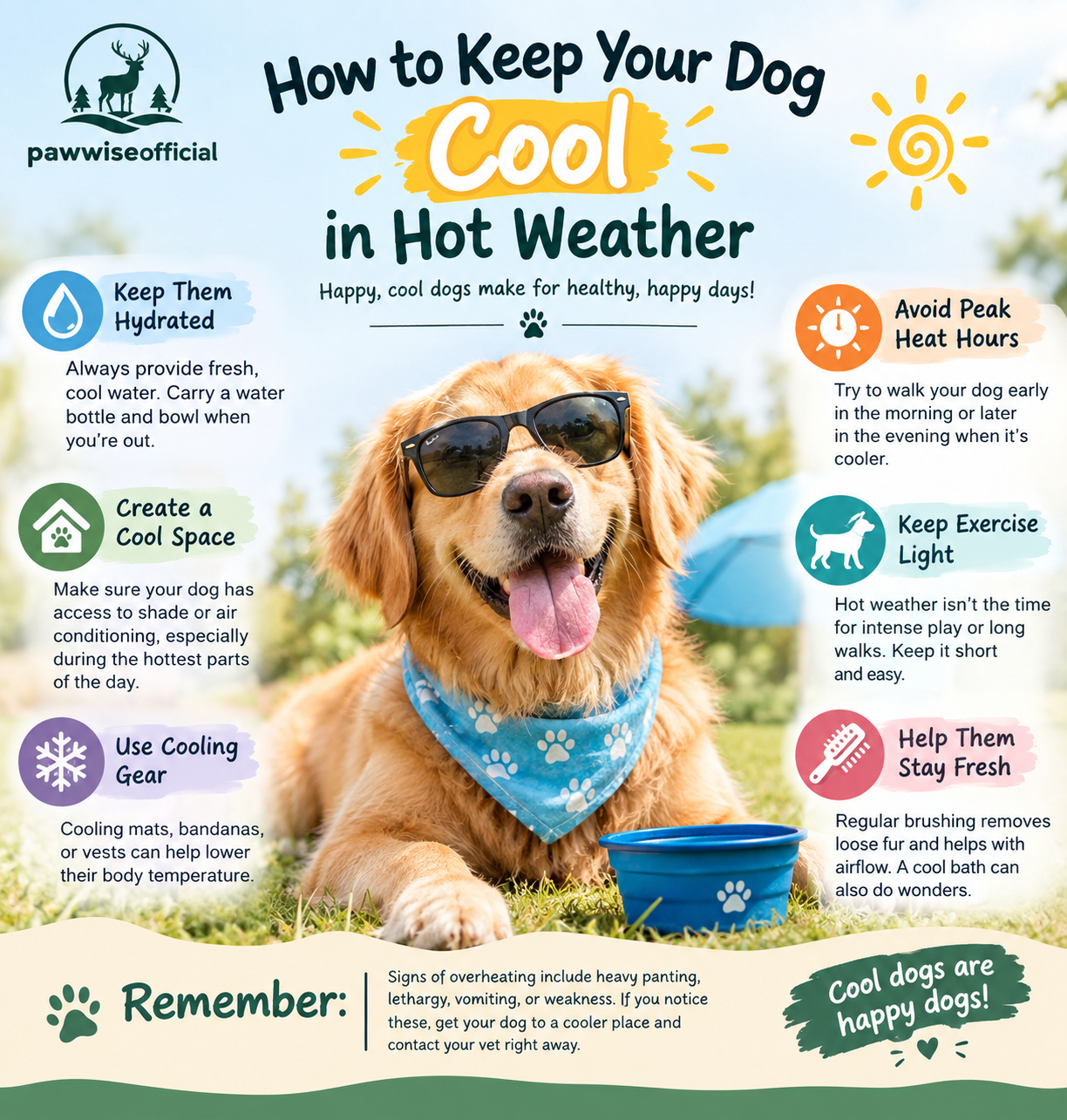
Summer can be fun, but for your dog, a really hot day can become uncomfortable, and sometimes dangerous, surprisingly quickly.
Maybe you’ve noticed your dog panting more than usual after a short walk. Or perhaps they’re spending more time lying on the cool floor instead of following you around the house.
You might even wonder, “Is my dog too hot?”
It’s a good question.
Dogs don’t cool themselves the same way humans do. They rely mainly on panting and a few other ways of releasing heat, which makes them more vulnerable to overheating during hot and humid weather.
The good news? There are plenty of simple things you can do to help your dog stay cool, comfortable, and safe.
From providing fresh water and shade to changing your walking routine, a few small adjustments can make a huge difference.
So, how can you keep your dog cool in hot weather?
Let’s get into it.
Why Do Dogs Get Hot So Easily?
Before talking about cooling tips, it helps to understand how dogs actually regulate their body temperature.
Humans can sweat over most of their bodies, and that sweat helps us cool down as it evaporates.
Dogs are different.
They rely primarily on panting to release heat. They also have sweat glands in their paw pads, but sweating through the paws plays only a small role in cooling.
This means dogs can struggle when temperatures rise, especially if they’re exercising, spending time in direct sunlight, or staying somewhere hot and poorly ventilated.
Humidity can make things even harder because panting works through evaporation, and high humidity reduces how effectively that process cools the body.
That’s why a hot, humid afternoon isn’t the best time for a long game of fetch.
Your dog may be having fun, but their body could be working much harder than you realize.
1. Always Provide Plenty of Fresh Water
This sounds obvious, but it’s one of the most important ways to help your dog stay cool.
Make sure your dog has access to clean, fresh water throughout the day.
On especially hot days, check the bowl regularly. Outdoor water can become warm, dirty, or run out faster than you expect.
If your dog spends time in different areas of the house or yard, consider placing water bowls in more than one convenient location.
Going for a walk?
Take water with you.
Going on a hike?
Bring enough for both you and your dog.
And don’t wait until your dog looks exhausted before offering water.
Keeping them hydrated is part of preventing overheating in the first place.
2. Create a Cool, Shady Place
If your dog spends time outside, make sure they have access to a cool, shaded area.
A small patch of shade might not be enough if the sun moves during the day.
Think about where the shade will be at different times, especially during the hottest part of the afternoon.
An outdoor shelter should also have good airflow.
A closed dog house sitting in direct sunlight can become surprisingly hot inside.
Whenever possible, let your dog come indoors to a cooler environment during periods of extreme heat.
Honestly, if you’re sitting inside thinking, “It’s way too hot out there,” your dog may agree with you.
3. Walk Your Dog During Cooler Hours
One of the easiest ways to keep your dog cool is to change when you exercise them.
Instead of taking a long walk in the middle of the afternoon, try going early in the morning or later in the evening when temperatures are lower.
This is especially important if your dog is energetic and loves long walks.
A shorter morning walk can be much safer than an intense midday workout.
And don’t forget about humidity. A day that doesn’t seem extremely hot can still be difficult for dogs if the air is very humid.
So, check the conditions, not just the temperature.
4. Check the Pavement Before Walking
Here’s something many dog owners don’t think about until it’s too late.
The ground can be much hotter than the air.
Black asphalt and other dark surfaces can heat up significantly under direct sunlight, potentially burning your dog’s paw pads.
Before going for a walk, place the back of your hand against the pavement for several seconds.
If it’s uncomfortable for your hand, it’s probably not a good surface for your dog’s paws.
Better yet, choose grassy or shaded routes whenever possible.
And if the pavement is simply too hot, skip the walk and find another way to keep your dog mentally and physically active indoors.
A missed walk is better than burned paws,, every time.
5. Never Leave Your Dog in a Parked Car
This one deserves its own section because it’s so important.
Never leave your dog alone in a parked car, even if the windows are cracked open.
Cars can heat up extremely quickly, creating dangerous conditions for a dog inside. Heatstroke can develop rapidly, and it can become life-threatening.
It doesn’t matter if you’re “only going inside for five minutes.”
Don’t take the chance.
If your dog can’t safely come with you, leave them at home in a cool environment instead.
6. Give Your Dog Access to a Cool Indoor Space
During very hot weather, the safest place for many dogs is inside a cool, well-ventilated home.
If you use air conditioning, keep the room comfortable rather than letting your dog become overheated.
If you don’t have air conditioning, choose the coolest room in your home and improve airflow with fans where appropriate.
Close curtains or blinds on windows receiving strong direct sunlight.
You can also encourage your dog to rest on a cool floor rather than a thick, warm bed.
Sometimes your dog will figure this out on their own.
You’ll see them stretch out on the tile floor, looking completely pleased with their decision.
And honestly, they may have the right idea.
7. Try a Cooling Mat or Cooling Bed
Cooling mats and beds can give dogs a comfortable place to lie down when the weather is warm.
They’re not magic solutions, though.
A cooling mat should be considered an extra comfort tool, not a replacement for shade, water, ventilation, or a genuinely cool environment.
Some dogs love them immediately.
Others will look at a brand-new cooling mat, sniff it once, and then choose the floor beside it.
That’s dogs for you.
If your dog doesn’t like the mat, don’t force them to use it. Give them other ways to find a comfortable resting spot.
8. Don’t Shave Your Dog Just Because It’s Hot
This is a common summer question:
“Should I shave my dog to keep them cool?”
Not necessarily.
For many dogs, particularly double-coated breeds, the coat helps provide insulation against both heat and cold. Shaving can remove that protective layer and may create other coat problems.
Instead of shaving, focus on regular grooming.
Brushing can help remove loose undercoat and keep the coat free from mats and tangles.
If you’re unsure about your dog’s grooming needs, talk to a professional groomer or veterinarian who understands your dog’s particular coat type.
9. Keep Exercise Shorter During Extreme Heat
Your dog may normally love running, hiking, or playing fetch for an hour.
That doesn’t mean they should do the same thing when temperatures are extremely high.
On very hot days, reduce the intensity and duration of exercise.
Try shorter walks, gentle indoor games, training exercises, or scent-based activities instead.
Remember, mental stimulation counts too.
A 10-minute training session can give your dog’s brain plenty to think about without requiring them to run around under the hot sun.
10. Use Water for Safe Cooling
Some dogs absolutely love water.
If yours does, a shallow paddling pool can be a fun way to cool off, provided it’s safe and supervised.
You can also let your dog play with a sprinkler or spend time swimming in a safe, dog-appropriate area.
But don’t assume every dog knows how to swim.
Some dogs are natural swimmers, while others can struggle in the water, particularly dogs with short legs, heavy bodies, or flat faces.
Always supervise your dog around water.
And remember, swimming isn’t automatically safe just because your dog seems excited to jump in.
11. Offer Frozen Dog-Friendly Treats
Want to make a hot afternoon a little more enjoyable?
Frozen treats can be a fun option.
You can freeze small portions of your dog’s regular food, use dog-safe ingredients, or freeze treats inside a food puzzle.
The goal isn’t to give your dog a huge amount of extra food.
Instead, think of it as a small enrichment activity that also makes snack time more refreshing.
If you’re unsure whether an ingredient is safe for your dog, don’t use it.
Simple is usually better.
12. Brush Your Dog Regularly
Regular grooming can be especially helpful during heavy shedding periods.
Brushing removes loose hair and helps keep the coat in good condition.
For dogs with thick or double coats, grooming can be particularly important.
But avoid the temptation to aggressively remove every bit of undercoat or shave the dog without professional guidance.
Your dog’s coat has a purpose.
Think of grooming as maintaining the coat, not trying to remove it completely.
Which Dogs Are More at Risk in Hot Weather?
Every dog can overheat, but some dogs need extra care.
Dogs at higher risk can include:
- Puppies
- Senior dogs
- Overweight dogs
- Dogs with heart or breathing problems
- Dogs with certain medical conditions
- Flat-faced or short-nosed breeds
- Dogs with thick or heavy coats
- Dogs that have experienced heatstroke before
Short-nosed breeds, such as Bulldogs, Pugs, and French Bulldogs, can have particular difficulty cooling themselves efficiently.
That doesn’t mean these dogs can’t enjoy summer.
It simply means their owners need to be more careful about heat exposure, exercise, hydration, and warning signs.
How Do You Know If Your Dog Is Too Hot?
This is one of the most important things every dog owner should know.
Some panting is normal, especially after exercise.
But excessive or frantic panting can be a warning sign.
Other signs of overheating can include:
- Excessive drooling
- Thick or sticky saliva
- Bright red gums or tongue
- Weakness
- Rapid breathing
- Difficulty walking
- Vomiting
- Diarrhea
- Confusion
- Loss of coordination
- Collapse
- Seizures
As overheating becomes more severe, the symptoms can become life-threatening.
So, don’t wait for your dog to collapse before taking action.
If something seems wrong, move them to a cooler environment and seek veterinary advice.
What Should You Do If Your Dog Is Overheating?
If you think your dog may be suffering from heatstroke, treat it as an emergency.
Move your dog to a cool, well-ventilated or air-conditioned area and contact a veterinarian immediately. While arranging veterinary care, controlled cooling with cool, not ice-cold, water can help. A fan or air conditioning can also support evaporative cooling.
If your dog is alert and able to drink, you can offer room-temperature water.
Don’t force them to drink.
And don’t delay veterinary care simply because your dog seems to improve.
Heatstroke can cause internal organ damage that isn’t immediately obvious, so veterinary evaluation is important after suspected heatstroke.
Should You Use Ice to Cool Your Dog?
This is a question that comes up often.
Avoid using ice or extremely cold water as your first response.
Veterinary guidance generally favors controlled cooling with cool or tepid water rather than extreme cold.
If you’re dealing with suspected heatstroke, the safest approach is to start cooling your dog while getting veterinary help, rather than experimenting with extreme-temperature treatments at home.
Can a Fan Keep a Dog Cool?
A fan can help circulate air and support cooling, especially when combined with a genuinely cool environment.
But don’t rely on a fan alone during extreme heat.
Your dog still needs access to water, shade or a cool indoor area, and reduced activity.
If the room itself is extremely hot, blowing hot air around won’t solve the problem.
What About Hot Weather at Night?
Don’t assume your dog is automatically safe once the sun goes down.
Some summer nights remain hot and humid, and indoor temperatures can stay elevated for hours after sunset.
Make sure your dog has a comfortable sleeping area with good airflow and access to fresh water.
If your home remains very warm overnight, consider moving your dog’s bed to the coolest safe area of the house.
How Can You Keep Your Dog Cool Without Air Conditioning?
Not everyone has access to air conditioning, and that’s okay.
You can still take several steps to reduce heat exposure.
Try to:
- Keep your dog in the coolest room available
- Close curtains against direct sunlight
- Use fans to improve airflow
- Provide plenty of fresh water
- Use a cooling mat if your dog likes one
- Offer supervised water play
- Avoid outdoor exercise during peak heat
- Keep your dog’s coat groomed appropriately
- Watch closely for signs of overheating
If your home becomes dangerously hot, consider taking your dog to a safer, cooler location.
Your dog’s comfort isn’t something to gamble with during an extreme heat event.
A Simple Hot-Weather Routine for Your Dog
Want to make summer easier?
Try building a simple routine around the hottest part of the day.
Early morning:
Take your dog’s main walk while temperatures are cooler.
Late morning:
Keep activity light and make sure fresh water is available.
Afternoon:
Stay indoors or in a cool shaded area. Offer a puzzle toy, training game, or frozen treat.
Evening:
If conditions are comfortable, take another shorter walk or enjoy some gentle outdoor play.
Before bed:
Check that your dog has fresh water and a comfortable, well-ventilated sleeping area.
Of course, every dog is different.
A senior dog, puppy, or flat-faced breed may need an even more cautious routine.
Don’t Forget About Humidity
Temperature isn’t the only thing that matters.
Humidity can make hot weather more dangerous because it reduces the effectiveness of panting and evaporation.
That’s why a humid day can feel much worse for your dog than the thermometer alone suggests.
If the air feels heavy and sticky, take that seriously.
Shorten outdoor activities, stay in a cool environment, and watch your dog closely.